How to Fill Gap Nights and Empty Dates in Your Vacation Rental
Ažurirano 26. listopada 2026.7 min čitanja
Ovaj vodič trenutno je dostupan samo na engleskom.

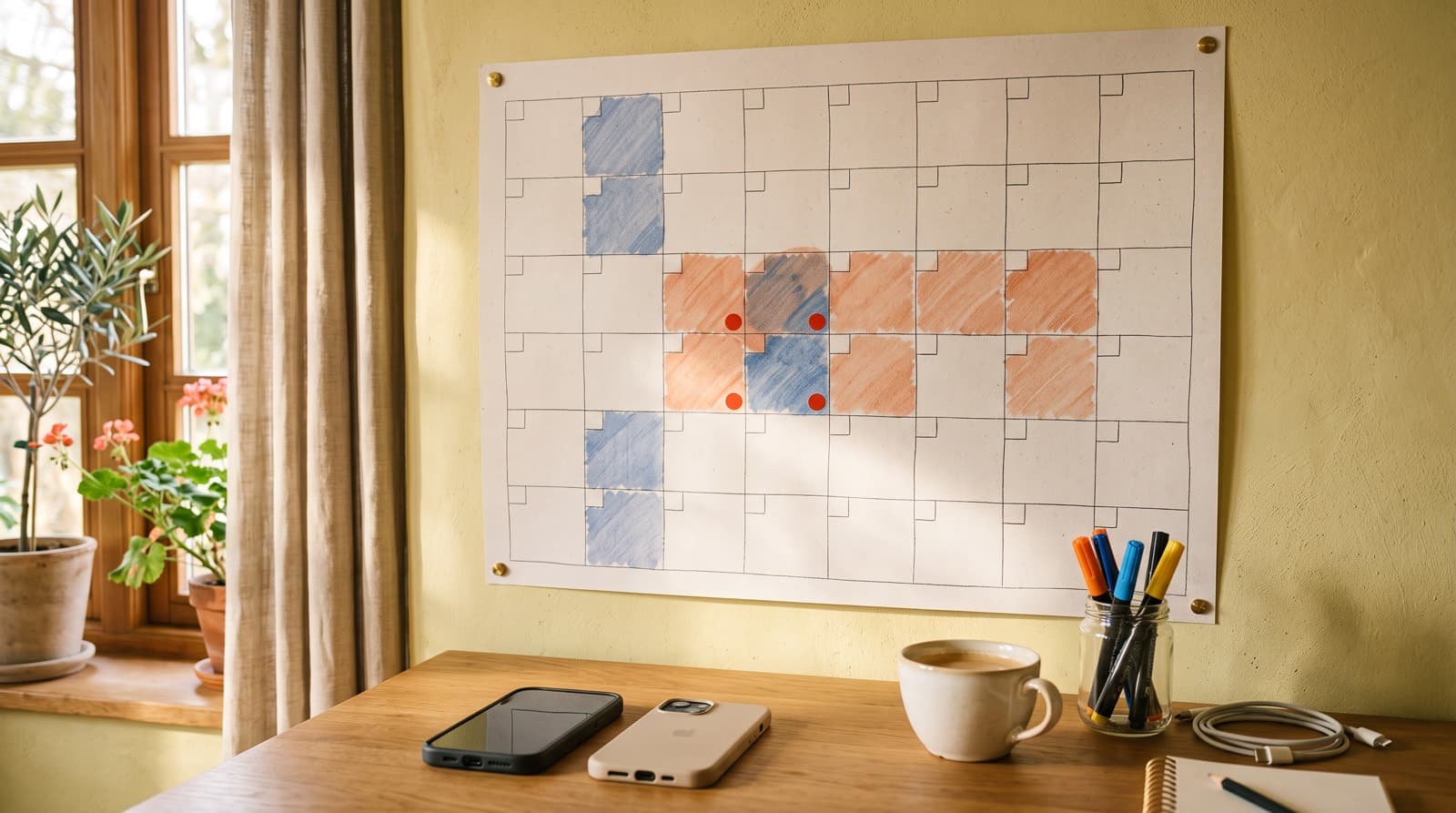
Gap nights are the empty nights between two bookings, or the open dates in the next few weeks that nobody has booked. You fill them with a few targeted moves: allow a shorter stay just for a gap your minimum stay blocks, lower the price only for open nights that start soon, offer a code to past guests for quieter dates further out, and check your calendar once a week.
Most hosts lose more to a handful of empty nights than to any single fee. This guide explains where gap nights come from, which fix fits which gap, how far to go on price, and a weekly routine that takes ten minutes.
What gap nights are and why they happen
There are two kinds of empty nights worth acting on.
- Orphan gaps. One to three nights between two stays, shorter than your minimum stay. With a three-night minimum, a two-night gap can never be booked, however good the price.
- Open dates soon. A weekend ten days away, or a run of weeknights next week, that's still free and getting close.
They usually come from your own settings rather than low demand:
- Minimum stays. A sensible minimum for a quiet month leaves leftovers once bookings land on both sides.
- Turnover days. A blocked day for cleaning after every stay can turn a two-night gap into a one-night gap.
- Bookings from several platforms. Stays from Airbnb, Booking.com and direct guests land wherever guests choose, so gaps appear between them.
What empty nights cost you
Take an apartment at €120 a night with a three-night minimum. A two-night gap between two stays is €240 that can't be earned. If that happens twice a month across a six-month season, it's close to €3,000 a year, from nights that were never on sale in practice.
Match the fix to the gap
Not every empty night needs a discount. The right move depends on what kind of gap it is and how soon it starts.
| Gap | Best first move | Why |
|---|---|---|
| Orphan gap between two stays | Allow a shorter stay for those nights only | The price isn't the problem; the gap is simply unbookable |
| Open nights in the next 7 days | Lower the price for those nights, down to your floor | Few guests are still searching; a clear deal helps |
| Open nights in 8 to 14 days | A smaller price cut, or weekend nights only | There's still time for guests at full price |
| A quiet stretch 3 to 8 weeks out | A code for past guests and followers | Keeps your public price intact |
| Dates far ahead | Nothing yet | They're not empty, just not booked yet |
Orphan gaps: open them to shorter stays
The cleanest fix is a short season covering just the gap, with the minimum stay set to the gap's length. Your normal minimum stays in place everywhere else.
Before you do, decide the shortest stay you'd ever accept. A one-night stay with a full clean can earn less than it costs once you count cleaning and laundry, so set a floor (often two nights) and only open gaps that meet it.
Open nights soon: a price cut with a floor
For open nights in the next week or two, a lower price for those specific nights works better than a site-wide sale. Two rules keep it safe:
- Set a lowest nightly price you'll accept, and never go below it. Your fixed costs don't shrink because the date is close.
- Cap the discount. Many hosts stay within 10–20%. Deeper cuts teach repeat guests to wait for the last minute.
A useful rule of thumb: the full discount for nights within a week, and around half of it for nights eight to fourteen days away. Weekend nights often sell without help, so cut them last.
Quieter dates further out: a code, not a public price cut
For an empty stretch a few weeks out, a public price cut isn't needed yet, and it can undercut guests who already booked. A discount code that only works for those dates is a better fit. Send it to past guests, post it on your social media and share it in your WhatsApp groups, with a short note:
Free dates at our place from 12 to 18 November. Book directly with us with the code AUTUMN10 for 10% off these nights: [link to your booking page]
Past guests already know the place, so they're the most likely to book. Our guide to repeat direct guests covers how to stay in touch with them.
Dates far ahead: wait
A date sixty days away that nobody has booked isn't a problem if your guests usually book three weeks ahead. Look at your past bookings: if guests book a median of about 20 days before arrival, dates more than about a month out are simply not booked yet. Cutting the price on them gives money away.
Two checks before you touch the price
Is the gap real?
If you take bookings on Airbnb or Booking.com and don't import those calendars, some "gaps" on your direct site are already booked. Connect your calendars first. You'll avoid suggesting dates that aren't free, and you'll avoid double bookings.
Do people see the page but not book?
If your page gets plenty of views but no requests, a discount on a few nights won't fix it. Compare your price with what the same dates cost on other platforms, then look at your first photos, your title and the opening of your description. Guests decide in the first few seconds.
A ten-minute weekly routine
Pick a quiet morning each week, such as Monday, and go through this list:
- Scan the next few weeks of your calendar for gaps between stays and open dates.
- Open orphan gaps to shorter stays, if they meet your shortest acceptable stay.
- Lower the price for open nights in the next one to two weeks, within your floor and largest discount.
- Create a code for one quieter stretch further out, and send it to past guests.
- Track what worked. Note which offers brought requests, so next week's choices get better.
Let a booking coach do the weekly check
OpenSty includes a booking coach that runs this routine for you. Once a week it goes through each published property's coming weeks and lists the open dates worth filling, with exact dates and prices: a gap between two stays that your minimum stay blocks, open nights starting soon, and a quiet stretch further out. It uses only your own calendar, prices, page views and requests.
- You approve every change. Nothing changes on your page until you tap Apply, and you can dismiss any idea.
- Your limits always apply. Set your lowest nightly price, largest discount and the shortest stay you accept, and suggestions stay inside them.
- Offers come ready to share. Each one includes a message for past guests, WhatsApp or Instagram, with a link that shows which requests it brought.
- A Monday email lists new ideas, so you don't have to remember to check.
Applying an idea makes the same change you could make yourself: a price for certain days in your calendar, a short season with a shorter minimum stay, or a discount code that only works for those nights. It's included in every plan. You can see it in the product tour.
Common questions
What is an orphan night in a vacation rental?
An orphan night is a short gap between two bookings that can't be booked because it's shorter than your minimum stay. A one- or two-night gap with a three-night minimum is the typical example.
Should I lower my minimum stay to fill gap nights?
Lower it only for the gap itself, not for the whole season. A short season covering just those nights fills the gap without filling your calendar with one-night stays elsewhere.
How much should I discount last-minute nights?
Many hosts stay within 10–20% and never go below a fixed lowest nightly price. Use the full discount for nights within a week and a smaller one for nights one to two weeks out.
Are last-minute discounts bad for my business?
Constant, deep discounts can teach guests to wait. Small, targeted cuts on specific nights, plus codes for past guests instead of public price drops, avoid that.
How far ahead should I worry about empty dates?
About one and a half times how far ahead your guests usually book. If they book three weeks ahead on average, dates more than about a month away aren't empty yet.